
Supportive Handwriting Guidance with Gentle Pacing
Supportive handwriting classes use a flexible, learner-sensitive approach rather than forcing one pace or method. Current writing and comfort are considered first, then practice is adapted around readable formation, spacing, control and clarity with low-pressure live guidance.
- Flexible learner-sensitive approach
- Pace based on learner comfort
- Low-pressure guided practice
- Current writing reviewed first
- No single method is forced
- Practice adapted to learner needs
| Approach | : | Supportive handwriting guidance |
|---|---|---|
| Pace | : | Flexible pace based on learner comfort |
| Comfort | : | Low-pressure guided writing practice |
| Writing | : | Readable writing and better control |
| Review | : | Current writing checked first |
| Method | : | Methods adapted to learner needs |
| Trainer | : | Live trainer-led guidance |
| Practice | : | Practice matched to learner comfort |
| Materials | : | Books and handwriting practice toolkit |
| Support | : | Follow-up guidance as suitable |
Flexible Handwriting Guidance at a Comfortable Pace
This option keeps handwriting practice flexible and low-pressure, with pacing adjusted to the learner’s comfort and response. Online supportive handwriting classes can use flexible pacing, while gentle handwriting classes online keep correction pressure low and practice matched to the learner.
- The trainer begins with the learner’s current writing and chooses manageable correction priorities rather than forcing a standard sequence or pace.
- Practice can focus on readable formation, spacing, control and clarity, with tasks adjusted when the learner needs shorter or simpler steps.
- This is educational handwriting guidance, not a medical assessment; families can discuss comfort, support needs and suitable pacing before joining.
Some learners benefit from a gentler pace, shorter practice and simpler correction steps without being labelled or diagnosed.
The trainer can review visible handwriting needs and learner comfort, then reduce task length or adjust pace when standard practice feels too demanding.
Practice can focus on clear formation, spacing, control and readable writing through manageable steps rather than pressure for speed or perfect pages.
This remains handwriting guidance, not medical or therapeutic assessment, so families should use appropriate professionals for diagnostic concerns.
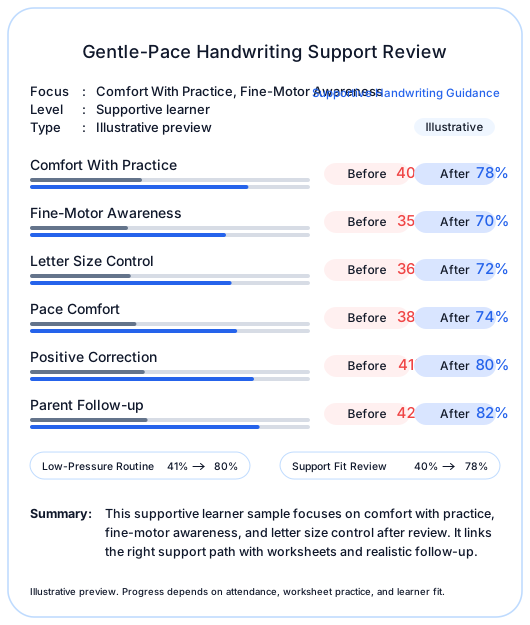
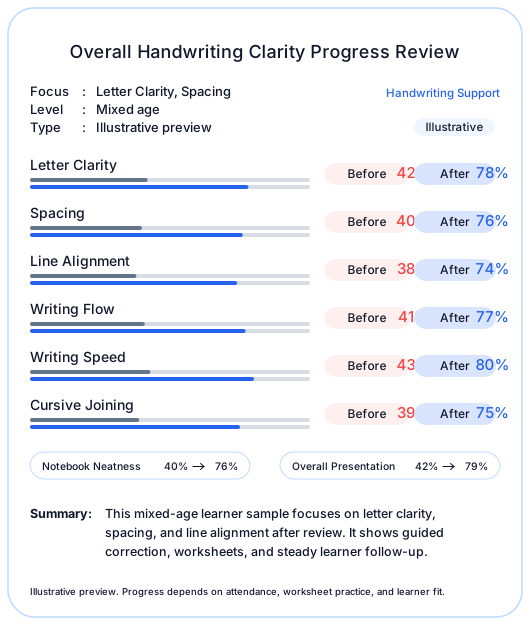
Flexible-Pace Writing Review Samples
Sample cards illustrate handwriting changes that may be reviewed with a gentler pace and adapted practice, without making diagnostic claims.
Who May Benefit from Gentler Writing Support
Gentler handwriting guidance may suit learners who benefit from slower pacing, repetition and a careful learner-fit review.
A slower pace may help when learners need more time to process writing steps, repeat a correction or settle into practice.
Families may prefer gentler support when standard pacing feels too demanding and a calmer correction rhythm works better.
Repetition reinforces a small writing goal when the learner benefits from seeing, trying and reviewing the correction again.
A careful fit review checks whether this handwriting format is suitable before the learner is asked to begin sessions.
How Gentle-Pace Writing Support Is Adjusted
This option keeps handwriting guidance slower and manageable, with fit checked before practice expectations are set.
Guidance can use a less rushed pace so the learner has more time to understand and repeat one writing correction at a time.
Short repeated tasks can reinforce a clear writing target without adding unnecessary complexity or too many changes together.
Practical family input can help keep home follow-up realistic when the learner benefits from extra support between sessions.
The demo or sample review helps confirm whether this educational option is suitable before a longer plan is suggested.
Starting Gentle-Pace Handwriting Support
Gentle-pace support begins with fit and comfort checks so the learner is not pushed into a paid plan before suitability is clear.
Use the free demo or sample review to understand writing comfort and how the learner responds to live guidance.
Observe whether live online guidance is workable, including whether parent support or slower pacing is needed.
Choose regular, parent-supported or gentle-pace guidance only after the fit review shows what works best.
Share a paid plan only after the team confirms that the support format is suitable for the learner.
Use manageable worksheets and feedback only after the support direction has been confirmed.
This option uses educational, fit-based handwriting support language and does not claim medical, clinical or therapy treatment.
- Support is described through writing needs and pacing rather than diagnosis-based labels or claims about a learner’s condition.
- The aim is adaptable handwriting review and practice, not medical treatment, occupational therapy or clinical advice.
- Families need not identify the exact reason for difficulty before the demo; the first step is checking whether this format fits.
- Regular course payment is not collected before the free demo or review and confirmation that the online format is suitable.
- If live online guidance is not a good fit, the team may suggest sample review, parent-supported practice or specialist support.
- Use Send a Writing Sample for review or Demo Session for the first guided fit check.
Gentle-pace educational handwriting support keeps participation, clarity and learner fit central without making medical or therapy claims.
Practice stays calmer and manageable so the learner can participate without adding unnecessary writing pressure.
The next writing target is kept simple and visible so the learner is not asked to change too many habits at once.
Guidance uses a repeatable routine so the learner can revisit the same correction before moving to a new priority.
The demo or review checks whether this educational online format is suitable before a regular support plan is confirmed.
Gentle-pace handwriting guidance is educational support, not diagnosis or therapy, and suitability should be checked through the free demo or sample review first.
- Practice may include left handed setup, fine-motor-aware writing habits, letter size control, spacing support, and calmer writing work on lined paper.
- Some learners also need help with writing speed, faster writing without overload, or grip support that reduces pressure.
- The aim is to celebrate small wins while building steadier writing habits at a comfortable pace.
- This is educational handwriting guidance, not diagnosis, therapy, or clinical treatment.
Helpful guide
Gentle-pace handwriting support is educational, not diagnostic or therapeutic. The free demo or sample review checks learner fit before payment and helps set a comfortable correction pace.
CursiveClasses.in can offer gentle handwriting support for learners who may need extra patience, slower pacing, and customized guidance. This is educational support, not medical diagnosis or therapy.
Some learners need help with grip comfort, spacing, pressure, letter shape, line control, or confidence. Support should be adjusted after understanding the learner’s need.
The guidance avoids diagnosis claims and guaranteed outcomes. It focuses on learner-friendly practice, patience and support fit; families seeking help for learning difficulties should use it only as educational support, not therapy.
Is this medical or therapy support?
No. This is educational handwriting support and should not be treated as medical advice or therapy.
Is payment collected before checking fit?
No. Payment is requested only after the free demo/review and team confirmation.
Can the pace be adjusted?
Yes. Pace can be adjusted based on learner comfort and the confirmed support plan.
Should parents discuss learner needs first?
Yes. A demo or sample review supports decide whether the support is suitable.
Keep the Pace Flexible and the Scope Educational
Gentle-paced handwriting support can adapt the amount of practice and correction load without presenting handwriting coaching as therapy or diagnosis.
- Use a small number of visible writing targets and allow more repetition or shorter tasks when that helps the learner participate comfortably.
- Avoid forcing speed or a complete style change when clarity and manageable practice are the more appropriate immediate goals.
- Questions about medical, developmental, sensory or learning conditions are outside handwriting coaching and belong with qualified professionals.
Gentle-Pace Support Questions
Short answers about fit, support style, and the next step.
Do you label or diagnose learners during the demo?
No. The demo does not label or diagnose the learner. It only checks whether the live online handwriting support format is suitable and what support option may help.
Does this page make medical claims?
No. It uses practical support wording and avoids diagnosis-based framing.
Is the pace meant to be gentler?
Yes. The support option is designed to stay calmer and more manageable while remaining educational rather than diagnostic.
Is the demo one time and free?
Yes. The first-step demo is free.
Do you diagnose the learner?
No. The demo only checks learner fit for handwriting coaching. It is not a medical, therapy, or special education diagnosis.
Do I need to pay before the demo?
No. Course payment is not collected before the free demo/review and team confirmation.
Are worksheets and feedback included?
Yes. Worksheets and feedback are part of the support flow.
Should fit be checked carefully first?
Yes. The review/demo is important so the support path stays appropriate.
Can I contact support before deciding?
Yes. You can Send a Writing Sample first if you want the support fit reviewed carefully.
Use these pages to understand the demo process, child and student options, parent-supported routines and the sample-first review route.
- Read How CursiveClasses.in Works for the free-demo, learner-fit and payment-after-confirmation process used for live-online handwriting guidance.
- Use Kids Handwriting Classes when a younger learner needs simple handwriting goals, parent-friendly routines and age-appropriate practice.
- Use Students Handwriting Classes for school-writing goals such as notebook clarity, spacing, readable pace and answer presentation.
- Use Parent-Child Early Support when early handwriting routines need light parent involvement and shorter practice steps.
- Use Send a Writing Sample when you want the current writing reviewed before choosing any ongoing educational support option.
Book the free demo or send a current sample so the team can check whether a slower, supportive guidance pace suits the learner before payment.


