
Personalized Handwriting Classes for Kids
Kids' handwriting training starts with the child's current writing and builds clearer letter formation, spacing, neatness and control. Early cursive is added only when suitable. Live guidance uses age-appropriate practice and correction methods matched to the learner's writing.
- Clearer early handwriting habits
- Letter formation and spacing
- Early cursive when suitable
- Neatness and writing control
- Current handwriting reviewed first
- Age-suitable guided practice
| Learners | : | Kids building clearer writing habits |
|---|---|---|
| Writing | : | Clearer everyday handwriting |
| Cursive | : | Early cursive writing practice |
| Spacing | : | More even word and letter spacing |
| Neatness | : | Cleaner and more readable writing |
| Control | : | Steadier letter and line control |
| Review | : | Current handwriting checked first |
| Materials | : | Books and handwriting practice toolkit |
| Duration | : | Generally 2-3 months |
| Support | : | 3 months free guidance after course |
Handwriting Foundations for Kids and Young Learners
Handwriting classes for kids near me are available online from home through CursiveClasses.in; this is not a local branch. Online handwriting classes for kids use live, age-suitable guidance based on the child’s current writing rather than a fixed practice pack.
- Early work may focus on letter shape, size, baseline use, word spacing and writing control before longer sentences or cursive are made a priority.
- Cursive practice is introduced only when suitable for the child’s stage, with live correction used to prevent repeated poor joins or spacing habits.
- Parents can support short practice between sessions while the trainer keeps correction focused on the child’s current writing rather than generic copying.
Handwriting Practice for Kids: A Five-Minute Check
Young learners benefit from short, calm writing checks rather than being asked to write faster before basic control is stable.
- Ask the child to copy one short sentence in their usual notebook. Look for letters sitting on the ruled line, reasonably stable size, and visible spaces between words.
- Choose one thing to improve next time—for example, word spacing—rather than correcting every letter at once.
- For school-specific examples, see Class 1 handwriting, Class 2 handwriting or the Class 1–12 guide.
What Kids Handwriting Support Should Build First
Children need age-suitable handwriting correction that strengthens basic control and neatness before adding harder writing.
The trainer can begin with formation, letter size, spacing, line use and writing control according to what appears in the child’s current writing.
Short guided practice is more useful than forcing long repetitive pages, especially when the child is still building steady early writing habits.
Online cursive writing classes for kids can add cursive or speed work when suitable for the child’s stage rather than as a fixed starting requirement.
Kids Handwriting Progress Review Samples
Sample cards illustrate child-friendly review areas such as letter formation, spacing, control, neatness and early cursive where suitable.
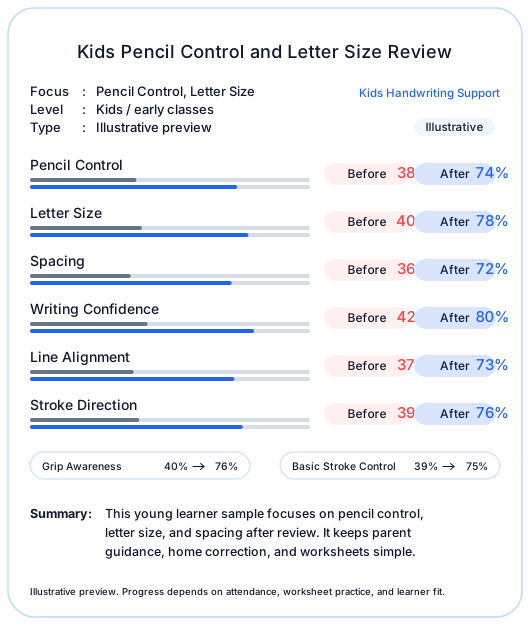
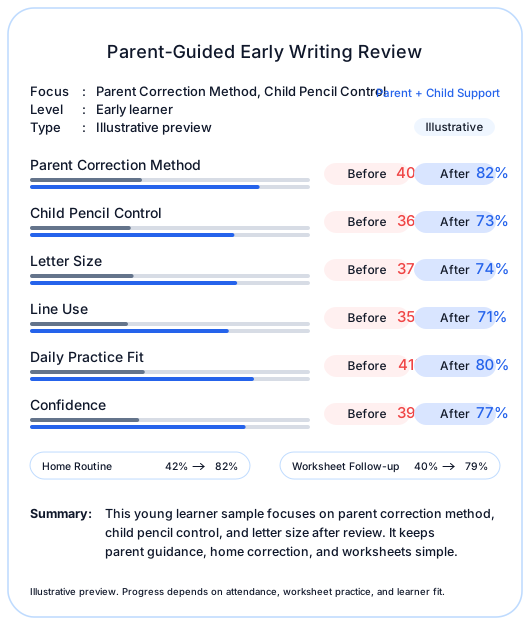
Kids benefit when the starting point matches writing readiness, current habits and the level of support available at home.
- A child may need help with letter formation, spacing, baseline use, pencil control or notebook neatness, so the first review should identify one clear priority.
- Early guidance can consider writing readiness, hand control and simple practice tolerance before deciding how much correction or repetition is appropriate.
- For younger learners, parent involvement helps carry short practice steps between sessions and keeps home follow-up clear, calm and consistent with trainer guidance.
Kids Writing Priorities for Guided Practice
Cursive handwriting for kids is added only when foundations are ready; speed work waits until current writing can support it.
Kids Cursive Readiness Support
Cursive can begin with simple joins, word flow and spacing when letter formation is steady enough for connected writing.
Kids Guided Cursive Practice
Short live-guided tasks can improve joins and line placement while keeping home practice manageable for children.
Kids Handwriting Habit Practice
Practice can strengthen pencil control, letter size, spacing and line use through repeatable tasks based on current writing.
Kids Clear Writing Development
Guidance can combine neatness, rhythm and page clarity so smoother writing remains easy for teachers and parents to read.
Kids Handwriting Priorities for Early Progress
Kids guidance strengthens basic writing control first, adding joins or faster movement only when the writing is ready.
Build clearer shapes, steadier size and simple stroke control so early words become easier for the child and family to read.
Develop more even word gaps and better line placement so short school writing becomes calmer, cleaner and more repeatable.
Use short guided practice and clear feedback so the child understands one correction at a time without unnecessary pressure.
Kids Handwriting Foundations to Build First
Early guidance builds formation, spacing, line use and writing control through short practice matched to the child’s stage.
Young learners practise clearer shapes and stroke direction so letters are easier to recognise and repeat in school writing.
Guidance develops more useful gaps between letters and words so short written work looks balanced and easier to read.
Practice helps letters sit steadily on ruled lines instead of floating, dropping or changing position within the same word.
Age-suitable tasks support steadier hand movement and writing comfort without turning practice into long tiring sessions.
Short guided corrections improve notebook formation, spacing and line use together at a manageable pace.
Clear practice targets and supportive feedback help children write with less hesitation at an age-suitable pace.
How Kids Handwriting Guidance Gets Started
Kids begin with a simple review-first flow so parents know the first writing priority before regular practice or payment starts.
Book the free demo or share a recent writing sample so the first correction comes from the child’s present writing.
Check letter control, spacing, line use and confidence to decide what should be practised first.
The suitable next step is explained after review so parents do not have to guess which support option fits.
Use live guidance, worksheets and review feedback to repeat the selected correction in manageable practice.
Children’s handwriting practice should stay short, corrected and age-appropriate, with formation, spacing and confidence improving before speed becomes a major target.
- The first step is often a free demo or sample review.
- Guidance is explained after the current writing level is seen clearly.
- Worksheets and practice tasks are used to continue improvement between sessions.
- Feedback supports parents understand what is improving and what still needs help.
- The focus stays on cleaner writing basics, not random repeated practice.
- The path normally starts simply and becomes clearer after the first review.
- Next useful pages: Send a Writing Sample if you want the present writing checked first, or Demo Session if you want the guided first step explained.
Children’s practice stays age-appropriate, with worksheets and feedback linked to current writing.
Children’s worksheets match the current writing need and stay suitable for the learner’s stage.
Later samples are checked so the next formation, spacing or line-control target stays clear.
Short feedback helps parents support routine at home without becoming the handwriting trainer.
Practice, review and feedback stay connected so the correction is repeated between sessions.
Parent guide
Handwriting improvement classes for kids should match current control and school stage, using short correction tasks for pencil comfort, strokes, letter clarity, spacing and line use.
Early practice should support a relaxed, workable hold and simple movement patterns. The aim is useful control, not forcing one rigid grip when the child can write comfortably.
Letter starts, direction, size and word gaps are easier to strengthen through short tasks than through long copying. Clear basics should become repeatable first.
Cursive joins can be introduced when basic shapes and spacing are stable enough. The child does not need to rush into continuous cursive before the foundation is ready.
Parents can help by repeating one trainer cue, preparing the worksheet and keeping the routine brief. Long sessions often reduce attention and lead to rushed repetition.
A recent notebook page helps show whether formation, spacing, line use, cursive readiness or confidence should lead the first practice cycle.
What age is suitable for handwriting guidance?
Guidance can begin in the early school years, but the tasks should match the child’s present control, attention, curriculum stage and actual writing need.
Can live online handwriting classes work for kids?
Yes. They can work when the trainer keeps instructions simple, practice is short and a parent supports setup and follow-through for younger learners.
Is cursive writing always the first goal for children?
No. Cursive is useful for some learners, but clear basic letter shapes, spacing and line control should come first when those foundations are not yet steady.
How much daily handwriting practice should a child do?
Short, consistent practice is usually more useful than long forced sessions. The exact amount should follow the child’s age, attention and correction priority.
Correct the Basics Before Asking a Child to Write Faster
For younger learners, readable formation, comfortable control and simple spacing habits matter more than pushing speed early.
- Check whether common letters are formed clearly and whether the child can keep a comfortable size and line position across a short sentence.
- Handwriting practice for kids uses brief focused tasks with feedback so the child does not repeat the same formation or spacing mistake across a full page.
- Add speed only after the child can maintain readable letters and word gaps without excessive effort.
Kids Handwriting Guidance Questions
Parent-focused answers about the free demo, early writing goals, live-online support and the first practical next step.
Why start kids handwriting support with a demo?
A free demo for handwriting classes for kids online checks current writing, comfort and participation before confirming whether the live format is a suitable fit.
What early writing goals can kids guidance address?
Younger learners may work on recognizable letter shapes, spacing, line use, steadier control, simple writing flow and confidence on the page.
Is the first kids handwriting demo free?
Yes. The first demo is free once and normally gives enough time to review basic writing habits and explain the live correction approach.
Is kids handwriting guidance delivered online?
Yes. CursiveClasses.in provides personalized live guidance from home; the page does not imply a local physical centre or trainer.
Can parents send a child’s writing sample first?
Yes. A recent natural sample can be reviewed first when the family wants the next step based on actual writing before booking the demo.
What can be included in the kids guidance flow?
Depending on the confirmed need, guidance can combine live sessions, selected worksheets, writing checks and feedback around one practical correction target.
How is the regular path chosen after the first review?
The trainer explains the first useful correction direction and recommends ongoing support only when the learner and live-online format are a suitable fit.
What matters most at the beginning for younger learners?
Comfortable control, clear basic letter formation, spacing and confidence usually matter more than speed or decorative writing at the early stage.
Use the process guide to see how a child moves from writing review or demo to learner-fit confirmation and regular guidance.
- Read How CursiveClasses.in Works for the child-focused review, free-demo, learner-fit and confirmation sequence before regular guidance.
Begin with a free demo or send a recent writing sample so the first practice direction matches the child’s handwriting and learning stage.


