
Handwriting Worksheets with Guided Practice
Handwriting worksheets are guided practice tools rather than a one-size-fits-all course. Worksheets are matched to current correction priorities and may target formation, spacing, line use, cursive flow and consistency, with trainer feedback guiding the learner's next practice.
Worksheets work best when they match the writing issue and are paired with review and correction.
- Structured practice between sessions
- Match current correction priorities
- Formation, spacing and line use
- Cursive flow and consistency
- Trainer feedback guides next practice
- Used alongside live guidance
| Practice | : | Structured handwriting practice |
|---|---|---|
| Focus | : | Formation, spacing, line use and flow |
| Use | : | Practice between guided sessions |
| Match | : | Worksheets match correction priorities |
| Review | : | Trainer reviews practice where needed |
| Feedback | : | Feedback guides the next practice |
| Sessions | : | Used alongside live guidance |
| Learners | : | Selected to suit learner needs |
| Goal | : | Build more consistent writing habits |
| Start | : | Book demo or send handwriting sample |
How Guided Handwriting Worksheets Should Be Used
Worksheets are most useful when they practise a correction already identified from the learner’s current handwriting. Handwriting practice online can use selected exercises after review, while handwriting worksheets online support a specific correction instead of replacing live guidance.
- Instead of random alphabet copying, a worksheet can target formation, spacing, line use, cursive joins or another specific correction priority.
- Trainer feedback helps decide whether the learner should repeat, simplify or progress the worksheet task based on what appears in later writing.
- Worksheets support live guidance and home practice, but they do not replace handwriting review or become a fixed course used identically for every learner.
Worksheets are most useful when they match a visible writing priority and are supported by review, correction and live.
- A learner may need formation, spacing, line use, cursive joins or rhythm practice, so the selected worksheet should follow the writing review.
- Trainer feedback helps prevent repeated mistakes from becoming practice habits and explains what the learner should check during the next task.
- Worksheets therefore support the training process rather than acting as a standalone cure or a generic packet that every learner must complete.
Worksheet-Guided Writing Review Samples
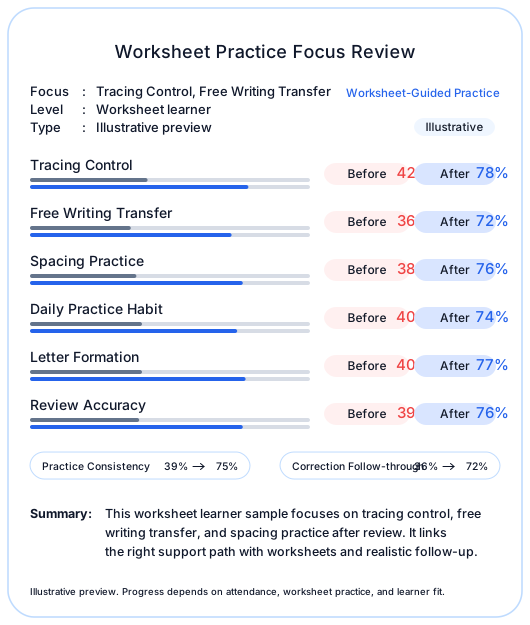
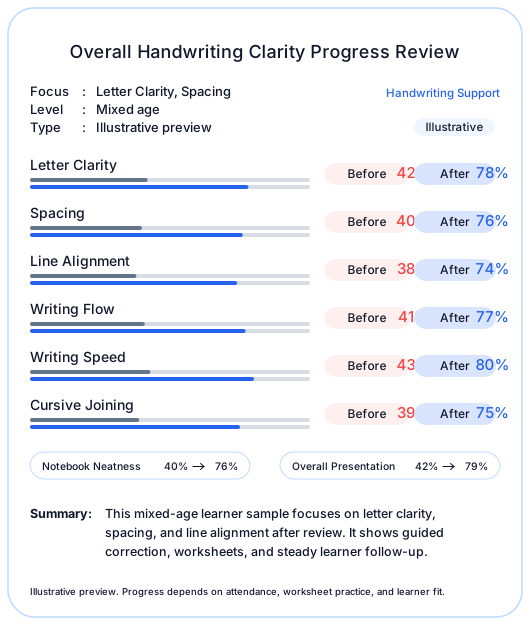
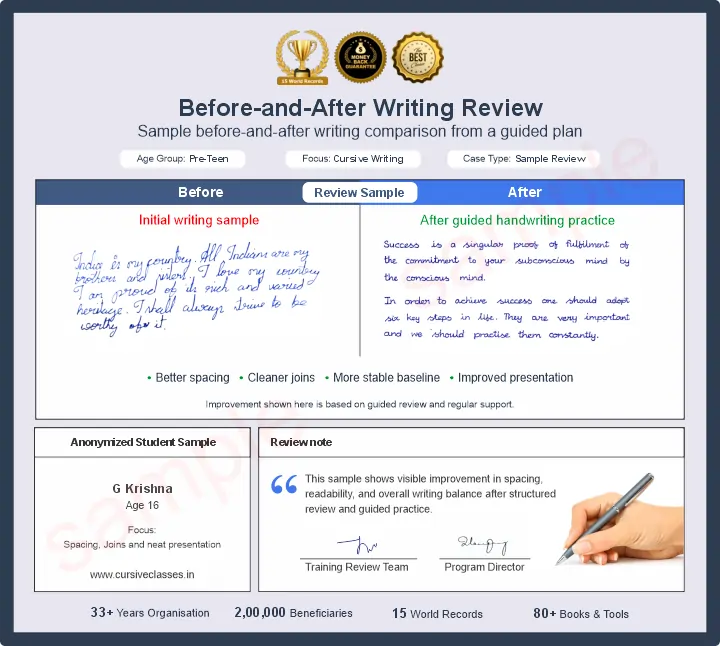
Sample cards show how focused worksheets can support visible correction priorities when paired with trainer review and feedback.
How Worksheets Support Personalized Handwriting Work
Worksheets are selected after review and paired with live correction so practice stays tied to current handwriting needs.
- Who they help — kids, students, college learners and adults who need focused handwriting practice matched to their present writing level and correction priorities.
- How they are chosen — the trainer reviews the main handwriting concern first, then selects pages that reinforce formation, spacing, joins, neatness or pace as needed.
- How progress is supported — worksheet practice is paired with live review, correction and follow-up so repeated work does not become unguided copying.
- What the learner gains — clearer practice targets and a more purposeful routine, with each worksheet serving the correction plan rather than replacing it.
How Guided Worksheets Fit the Correction Plan
Worksheet practice follows the writing review so each page reinforces a current correction need instead of generic copying.
- A worksheet should reinforce a specific target already seen in the learner’s writing, such as formation, spacing, joins, line use or controlled pace.
- The trainer can change the worksheet focus as writing improves, keeping practice connected with fresh samples, live feedback and the learner’s next priority.
Worksheet Types Matched to Writing Needs
Worksheets are most useful when each sheet supports a correction already identified from the learner’s current handwriting.
Use focused letter-shape practice when size, strokes or repeated forms need more stability before longer writing begins.
Practise word gaps and line placement together so clearer spacing transfers from short exercises into ordinary written work.
Use guided joining and movement work when cursive rhythm, joins or connected word flow need specific correction and feedback.
Combine pace, spacing and page layout tasks when the learner needs faster writing that still remains clear and organised.
Worksheet guidance stays tied to learner’s correction target instead of adding unrelated pages simply to increase practice volume.
- Worksheets matched to the learner’s main writing issue
- One clear correction focus for each practice stage
- Review-based changes as the learner’s writing improves
- Worksheet follow-up connected to live guidance where useful
- Feedback showing what to continue before the next review
Worksheet practice starts from the learner’s real writing issue, uses a focused set and changes only after review shows the next need.
Use a sample or first-level review to identify the writing habit that should guide the worksheet choice.
Select formation, spacing, line use, cursive flow or readable pace instead of mixing unrelated practice pages.
Use the matched worksheet set with guided correction so the learner understands what should change on the page.
Check later writing and change the next worksheet target when the first correction becomes more stable.
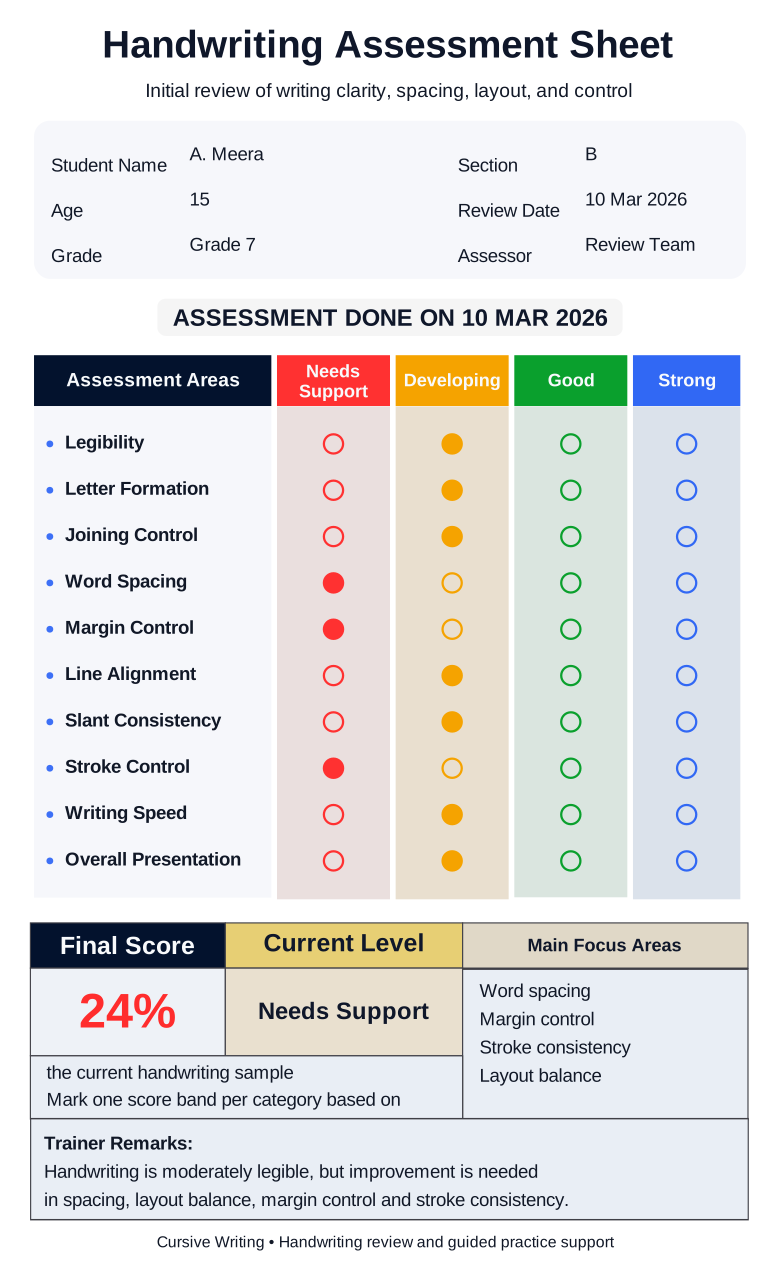
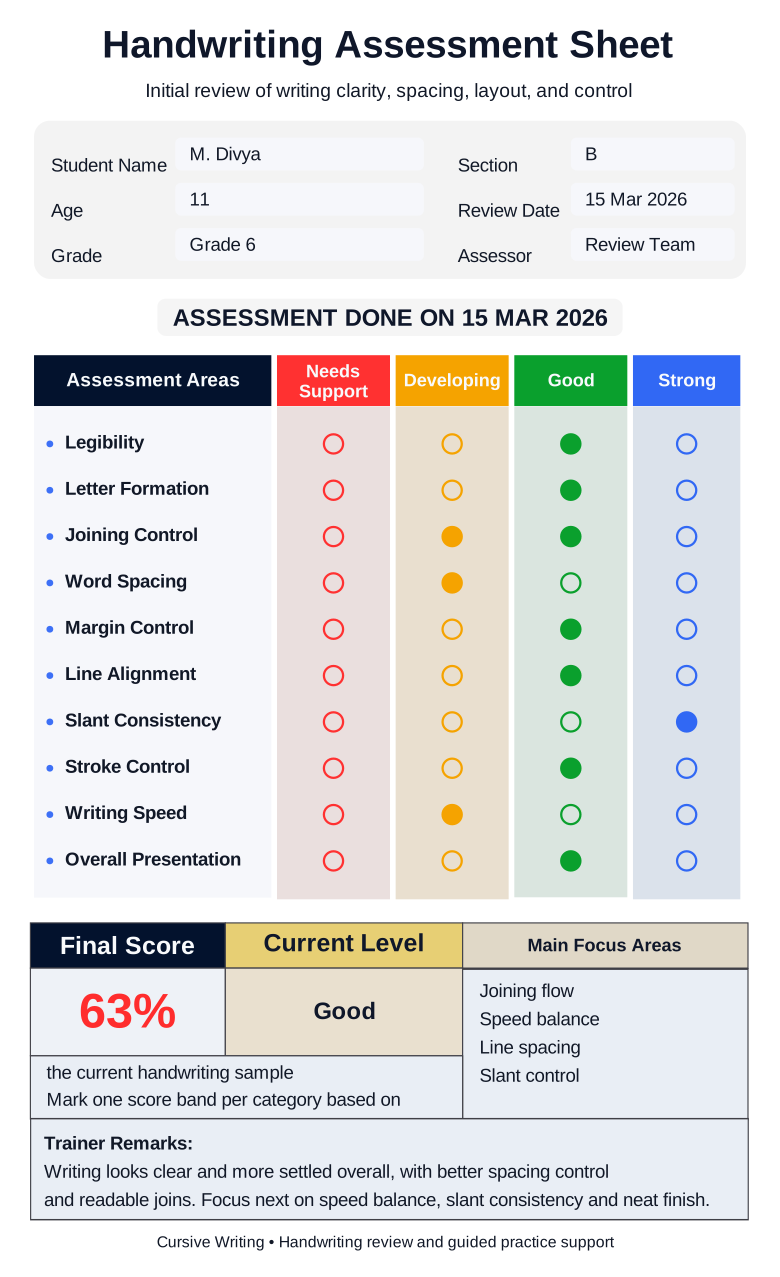
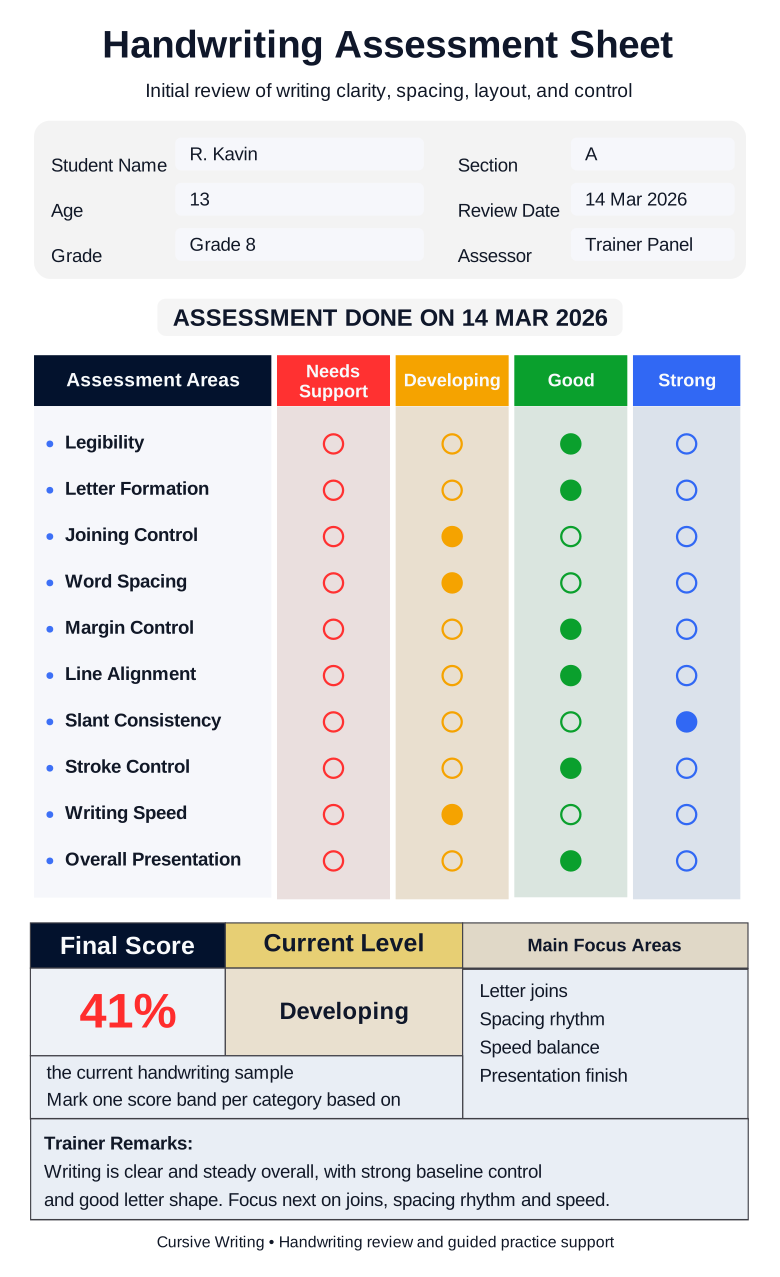
These previews show assessment, guided practice, alternate worksheet layouts and sample-review materials used within supported handwriting practice.
- Worksheets are not random printable bundles without a learner-specific correction purpose.
- They should not replace handwriting review, correction or feedback on current writing.
- They work best in guided practice where later writing is checked for correction transfer.
Worksheet guide
Handwriting worksheets are most useful when they reinforce a correction already identified in the learner’s writing. Repeating generic pages without feedback can strengthen the same spacing, formation or cursive errors.
Different learners may need stroke control, letter formation, spacing, line use, cursive joins, sentence flow or presentation practice. The sample review should decide which comes first.
Tracing can help a beginner understand movement and shape, while free writing shows whether the learner can reproduce the correction independently without following a printed path.
Practice should progress from focused shapes or words into sentences and normal writing so the trainer can check whether the improvement transfers beyond the worksheet.
Feedback matters because a learner can otherwise repeat the same incorrect size, spacing or joining pattern many times. Correction should guide what to repeat next.
The amount of worksheet work should match age, attention and the target skill. More pages are not automatically better if control drops as the learner becomes tired.
Are cursive worksheets enough on their own?
Usually not. Worksheets can reinforce joins and movement, but review and feedback help prevent the learner from repeating the same unclear pattern.
Which handwriting worksheet should a learner start with?
Start with the sheet that matches the first issue found in the sample, whether that is formation, spacing, line control, joins, pace or page presentation.
Is tracing better than free handwriting practice?
They serve different purposes. Tracing can support early movement control, while free writing checks whether the learner can apply the correction without a guide.
Can completed printable worksheets be reviewed online?
Yes. Learners can complete selected pages, share the writing and receive feedback so the next practice task reflects what still needs correction.
A Worksheet Should Have One Clear Correction Job
Worksheets are most useful when each one supports a visible writing target and the learner receives feedback on how it was used.
- Choose practice for the actual problem: formation, spacing, baseline, joins, size consistency or controlled pace.
- Avoid large volumes of copying when the same mistake is being repeated; correct the pattern first, then add repetition.
- Follow worksheet practice with normal writing so the learner learns to carry the correction into notes, homework or everyday use.
Guided Handwriting Worksheet Questions
Answers about learner-matched worksheets, trainer feedback and why practice sheets are not treated as a stand-alone solution.
Do all learners receive the same handwriting worksheets?
No. Worksheet tasks should match the learner’s current writing issue, age, practice stage and correction goal rather than use one identical pack.
Can worksheets improve handwriting without guidance?
Worksheets are usually more useful when a trainer or review process connects them to one clear target and checks whether the correction transfers to normal writing.
Can guided worksheets be useful for older learners?
Yes. Teens, college learners and adults can also use targeted worksheet practice when the exercise clearly supports a real writing need.
Is this page mainly for free printable downloads?
No. It explains how worksheets can support live handwriting guidance and feedback; it is not a generic download-only worksheet library.
Use these pages to place worksheets within a wider review, practice and support path.
- Use the course guide to see where worksheet practice fits within the broader handwriting learning sequence.
- Compare learner-fit options on the programs page when worksheets need to sit alongside live guidance or another support format.
- Book a demo session when you want the trainer to explain how guided practice and worksheets can work together.
- Use the contact page for worksheet questions or practice-path details that need a direct answer from the team.
Start with a free demo or writing sample so worksheet practice is chosen around the learner’s actual handwriting issue.


