
Handwriting Classes for Class 1 – Live 1:1 Personalized Training
Class 1 handwriting guidance builds clear letter shapes, correct size, baseline use, word spacing and simple-word control. Training starts from the child's current writing and uses live, age-suitable practice to develop neat early habits, with cursive added only when suitable.
- Clear letter formation and shape
- Better letter size and baseline use
- Proper spacing between words
- Neater simple-word writing
- Better pencil and writing control
- Early cursive habits when suitable
| Class | : | Class 1 students |
|---|---|---|
| Basics | : | Early handwriting foundations |
| Letters | : | Clearer letter formation |
| Spacing | : | Basic letter and word spacing |
| Control | : | Steadier writing control |
| Cursive | : | Gentle cursive basics where suitable |
| Review | : | Current school writing checked first |
| Materials | : | Books and handwriting practice toolkit |
| Duration | : | Generally 2-3 months |
| Support | : | 3 months free guidance after course |
Class 1 Handwriting Foundations and Control
Class 1 guidance builds early writing control through clear letter shapes, size, baseline use and simple word spacing.
- Practice starts with basic letter formation and size so the child can place letters more consistently on ruled lines without rushing into longer writing.
- Word spacing and simple-word writing are introduced through short tasks that strengthen control while keeping the focus on clear, readable early habits.
- Cursive is added only when suitable for the learner, after basic formation and spacing are stable enough to support gentle joining practice.
Handwriting Practice for Class 1: Writing Example
Use this short, original Class 1 practice example to work on letter formation, spacing and ruled-line control. It is a self-check exercise, not a promise of results or a replacement for trainer feedback.
- Practice writing: “The sun is warm. I see a red ball. My book is on the desk.”
- Copy three short sentences in a ruled notebook. Leave a clear space between words and check whether letters sit on the line.
- For guidance matched to a real notebook page, send a writing sample or request a free Class 1 demo. The handwriting worksheets guide explains how practice can be supported.
Class 1 Letter Formation and Line-Control Practice
Cursive writing for Class 1 builds basic control before longer sentences, faster writing or advanced cursive work.
Early practice focuses on clear letter shapes, steady size, correct direction and comfortable line use so the child develops dependable writing habits.
Word spacing and short simple writing are added gradually, with attention to pencil control and neat repetition rather than writing long pages.
Cursive or joining practice is introduced only when suitable for the learner, while formation, baseline use and readable early writing remain the priority.
Class 1 support should strengthen basic control, letter shape, spacing and line use before adding harder writing demands.
- Practice can focus on clear strokes, steady letter size, baseline use and simple word spacing so the child builds reliable early writing habits without rushing ahead.
- The trainer reviews current school writing first, then adds short age-suitable exercises and early cursive only when the learner is ready for that next step.
Early Primary Handwriting Review Samples
Sample cards show early primary priorities, with parent-supported practice and stage-appropriate correction for beginning writers.
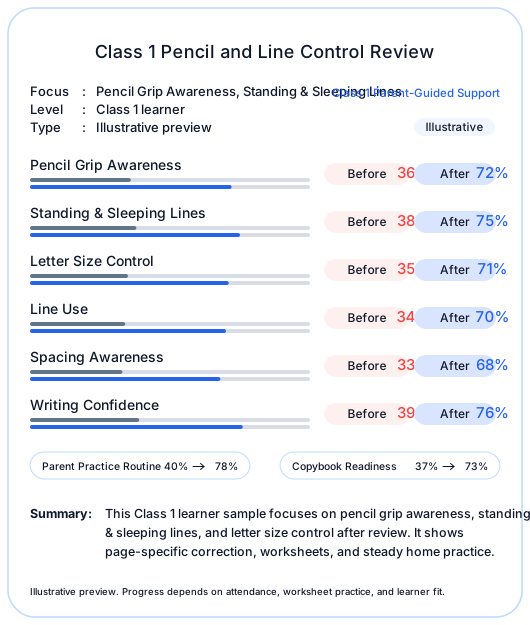
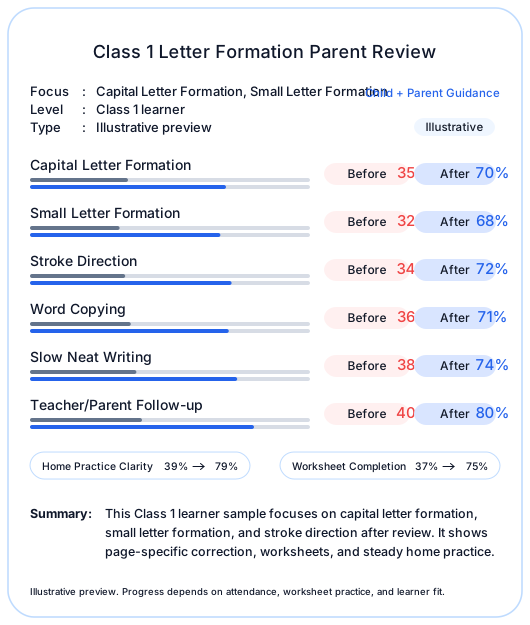
early primary stage to Class 3 learners should attend with a parent. Parent guidance is included so home practice and correction remain clear.
Class 1 Handwriting Priorities for Daily Writing
Class 1 review targets early writing control, choosing one writing habit first so practice stays focused and useful.
Class 1 Letter Formation uses live correction and matched practice based on the learner’s current writing.
Class 1 Baseline Control is developed through review-led correction and practice matched to current writing.
Class 1 Clear Word Spacing uses guided correction and short practice so the next writing target stays clear.
Class 1 Guided Writing uses live correction and matched practice based on the learner’s current writing.
Class 1 Writing Skills to Strengthen Next
Class 1 review works on formation, baseline and word spacing, using current writing to choose one first correction target.
Class 1 Letter Formation
Class 1 correction builds this skill so letter shapes and size stay easier to recognise in regular writing.
Class 1 Baseline Control
Class 1 correction builds this skill so writing sits more steadily on the line in regular writing.
Class 1 Clear Word Spacing
Class 1 correction builds this skill so simple words keep clearer gaps in regular writing, with guided feedback.
Class 1 Writing Confidence
Class 1 correction builds this skill so short writing tasks feel more manageable in regular writing.
Class 1 Writing Foundations for Guided Practice
Class 1 guidance builds letter formation, baseline use, spacing and writing control, adding cursive only when suitable.
Handwriting practice for Class 1 builds steadier hand movement so basic strokes and letter shapes are easier to repeat without rushing.
Class 1 correction checks letter starts and stroke direction so early formation becomes steadier and easier to recognise.
Class 1 line practice helps letters sit steadily on ruled lines without floating, dropping or changing height too much.
Class 1 spacing work builds clearer gaps between simple words so short sentences become easier to read and copy accurately.
Class 1 copywork stays short and controlled so formation, spacing and line use can improve without overloading the learner.
Class 1 guidance uses manageable tasks and feedback so learner can write short work with less hesitation and better control.
How Class 1 Handwriting Guidance Begins
Class 1 guidance starts with school writing and sets one first priority for letter formation, baseline use and spacing before practice expands.
A recent Class 1 page shows normal school writing and provides one clear first correction target.
The Class 1 review selects one stage-specific priority instead of changing several writing habits together.
Class 1 live guidance explains the chosen correction and gives one focused task for the current stage.
Class 1 follow-up checks whether the correction is stable before another writing priority is introduced.
Class 1 practice stays short and guided, with families supporting routine while the trainer focuses on formation, spacing, baseline use and simple word control.
- Short handwriting lines for Class 1 help repeat correct starts, size and line placement without turning handwriting into a tiring drill.
- Families can support setup and routine at home while correction remains focused on the learner’s actual writing rather than constant parent-led teaching.
- Early progress is usually seen in cleaner letter formation, steadier baseline use, simpler spacing and more confident copywork.
- English handwriting for Class 1 can begin from different formation and control levels, so the next support step follows the writing review or demo.
- Next useful pages: Send a Writing Sample for a first writing check, or Demo Session to see how live guidance begins.
Class 1 tools keep practice focused on formation, spacing and baseline control after writing is reviewed.
Short Class 1 tasks repeat formation, spacing and baseline control around the correction focus.
Later Class 1 samples show whether letter size, line use and spacing are becoming steadier.
Class 1 feedback tells families which small correction to repeat between guided sessions.
Progress checks separate early Class 1 gains from later goals so expectations stay realistic.
Class 1 guide
Class 1 handwriting support should stay simple and age-appropriate, focusing on clear letter formation, size, baseline use, spacing and comfortable pencil control before longer writing or cursive demands are introduced.
Use short letter and word tasks to check starting points, direction and repeatable shapes. At this stage, clear basic formation matters more than producing long pages or writing quickly.
Practice should help letters sit more consistently on the line, keep simple word gaps visible and reduce sudden size changes across short words and sentences.
Live guidance can select one small correction at a time, then use simple worksheets and brief follow-up so the child repeats the same cue without becoming tired or rushed.
What handwriting issues are common in Class 1?
Common needs include unclear letter shapes, uneven size, weak line use, inconsistent spacing and pencil-control habits that make short written work harder to read.
Can Class 1 handwriting guidance work online?
Yes. Live online guidance can work when tasks are short, the trainer demonstrates one clear correction and a parent helps the child follow the simple practice routine.
Should Class 1 learners begin cursive writing immediately?
Not necessarily. Basic print formation, spacing and line control should be reasonably stable first; cursive is introduced only when it suits the child’s stage and school need.
Class 1: Build Clear Basic Shapes and Line Awareness
Class 1 practice should stay close to everyday school writing, with the first target focused on clear letter formation, line awareness, spacing basics and comfortable control.
- Keep letter shapes large enough to recognize and help the learner place them consistently on the writing line.
- Use short words and simple spacing so the child does not practise crowded writing for long periods.
- Speed is not the first target; comfortable control and recognizable letters come first.
Class 1 Handwriting Questions
Answers about early letter control, parent support, the free demo, worksheets and learner-fit review for Class 1.
Is this suitable while Class 1 writing habits are still forming?
Yes. Class 1 guidance can focus on recognizable letter shapes, comfortable pencil control, line awareness, simple spacing and confidence with short school writing.
How much parent support is useful for Class 1?
Light help with routine, setup and consistency can be useful. The aim is not long correction at home or pressure to practise beyond the child’s comfort.
Is the first Class 1 handwriting demo free?
Yes. The first demo for online handwriting classes for Class 1 is free and helps check current writing, participation and fit for the live-online guidance format.
What is the usual Class 1 session reference?
Regular guidance commonly uses eight guided sessions per month, usually about 45 minutes each, while the final rhythm follows the learner’s support need.
Are Class 1 worksheets and writing checks included?
Yes. Selected worksheets, short writing checks and feedback may be used to reinforce the specific formation, line-use or spacing target being practised.
How is a Class 1 support quote decided?
A learner-based quote is shared after the review or demo because the right support depth depends on the child’s present writing and confirmed learner fit.
Book the free demo or send a current writing sample so early-primary formation, spacing and line-use needs can be reviewed first.


