
Handwriting Classes for Class 2 – Live 1:1 Personalized Training
Class 2 handwriting guidance strengthens letter size, spacing, line use and simple sentence writing. Training begins with current notebook work, then uses live, age-suitable practice to improve neatness, writing control and early cursive joins when the learner is ready.
- Consistent letter size and shape
- Better spacing between words
- Clear writing on ruled lines
- Neater simple-sentence writing
- Stronger writing control
- Early cursive joins when ready
| Class | : | Class 2 students |
|---|---|---|
| Basics | : | Stronger handwriting foundations |
| Letters | : | More consistent letter formation |
| Spacing | : | Better word and letter spacing |
| Cursive | : | Cursive basics and joining practice |
| Neatness | : | Cleaner school-page writing |
| Review | : | Current school writing checked first |
| Materials | : | Books and handwriting practice toolkit |
| Duration | : | Generally 2-3 months |
| Support | : | 3 months free guidance after course |
Class 2 Handwriting Consistency and Spacing
Class 2 guidance strengthens letter consistency, word spacing, line use and simple sentence writing at an age-suitable pace.
- The learner practises keeping letter size and shape more consistent across words so notebook writing becomes easier to read from line to line.
- Spacing between words and clearer use of ruled lines are reinforced as simple sentences become a larger part of everyday school writing.
- Early cursive joins can be introduced when the learner is ready, while neatness and writing control remain more important than speed at this stage.
Handwriting Practice for Class 2: Writing Example
Use this short, original Class 2 practice example to work on word spacing and simple sentences. It is a self-check exercise, not a promise of results or a replacement for trainer feedback.
- Practice writing: “Every morning, I pack my school bag. I keep my books neat and reach school on time.”
- Copy the two sentences. Circle three spaces between words and check that tall and short letters keep consistent proportions.
- For guidance matched to a real notebook page, send a writing sample or request a free Class 2 demo. The handwriting worksheets guide explains how practice can be supported.
Class 2 Handwriting Review Samples
Sample cards focus on Class 2 letter size, word spacing, line use, simple-sentence clarity and early cursive joins where suitable.
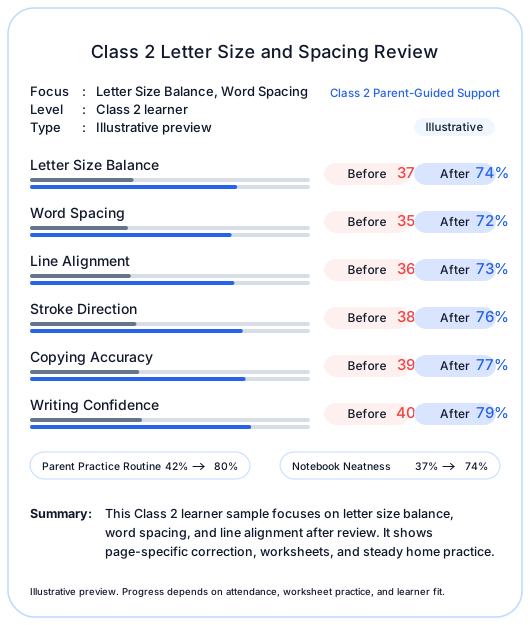
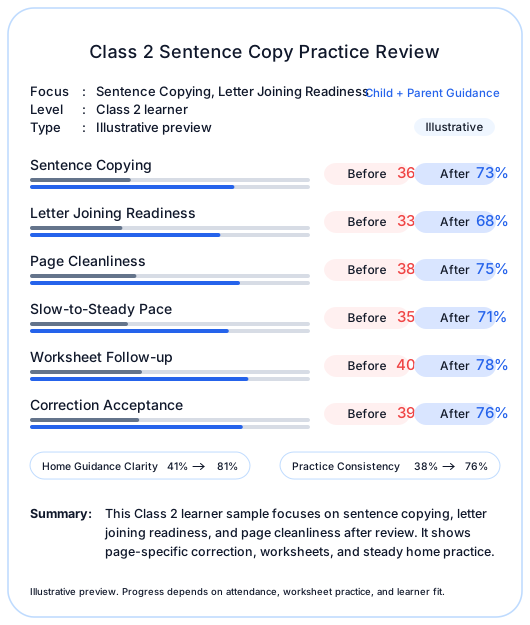
For Class 2, parent participation can help keep home practice and correction clear while the learner builds early writing habits.
Class 2 Writing Needs This Support Can Address
Class 2 learners may need better letter size, spacing, line use and simple sentence control before harder writing is added.
Useful when the learner can write basic work but letters still look uneven or crowded. The focus stays on Class 2 writing needs.
Useful when word gaps, line use, and copywork still need more control. This keeps practice tied to Class 2 writing needs.
Useful when the learner knows the answer but written work still looks untidy. This fits Class 2 writing needs.
Useful when families want a clear first correction focus before choosing full support. This fits Class 2 writing needs.
Class 2 Foundations for Clearer Daily Writing
Class 2 practice builds letter direction, spacing, line awareness and confidence before more advanced habits are expected.
Short tasks build steadier pencil movement and writing comfort so learners can form letters with less hesitation and strain.
Practice clarifies letter starts and stroke direction so Class 2 words and simple sentences become steadier and readable.
Line-awareness work helps letters sit more evenly on the baseline so short written work looks calmer and easier to read.
Early spacing practice builds clear gaps between letters and words, supporting readable sentences and cleaner copywork.
Copying and short sentence tasks improve letter consistency and spacing while keeping a suitable writing load for this stage.
Guided repetition helps learners write short tasks with confidence, using correction that stays simple and age-appropriate.
Class 2 Handwriting Priorities for Daily Writing
Class 2 review targets simple sentence writing, choosing one writing habit first so practice stays focused and useful.
Class 2 Letter Consistency
Class 2 Letter Consistency uses live correction and matched practice based on the learner’s current writing.
Class 2 Word Spacing Control
Class 2 Word Spacing Control is developed through review-led correction and practice matched to current writing.
Class 2 Line-Use Stability
Class 2 Line-Use Stability uses guided correction and short practice so the next writing target stays clear.
Class 2 Early Joining Skills
Class 2 Early Joining Skills uses live correction and matched practice based on the learner’s current writing.
How Class 2 Handwriting Guidance Gets Started
Class 2 uses a free review to check letter consistency, spacing and line use before the first support step.
A recent Class 2 sample shows normal school writing and makes the first correction easier to choose.
The free Class 2 demo checks learner fit and demonstrates the most useful first correction.
Class 2 sessions begin with one focused writing target instead of several changes at once.
Class 2 worksheets and feedback repeat the chosen target between live reviews.
Class 2 follow-up checks letter consistency, word spacing, line use and early joins in normal school writing.
- Class 2 practice keeps letters, spacing and line use consistent through short tasks suited to everyday school writing.
- English handwriting for Class 2 can stay simple while correction follows the learner’s current writing.
- Useful Class 2 progress may show as clearer letters, steadier word gaps and calmer copywork rather than speed alone.
- The next Class 2 step follows review because early joins, spacing and line control may need different priorities.
- For Class 2, use Send a Writing Sample for a current-writing review, or Demo Session to see the first guided step.
Class 2 support uses worksheets, sample checks and feedback for letter consistency, spacing and line use during normal school writing.
Class 2 worksheets target letter consistency, spacing and line use through manageable practice linked to current school writing.
Fresh Class 2 samples help compare later school writing with the first review before another correction target is added.
Class 2 feedback explains the chosen correction clearly so the learner knows what to repeat between guided sessions.
Class 2 progress review checks whether the writing change is stable enough to continue or move to the next priority.
Helpful guide
Class 2 handwriting guidance should match the learner’s school writing demand and present habits. The review looks at consistent letters, word spacing, line use, simple sentences and early joins before deciding which correction deserves attention first and how practice should continue.
For Class 2, the first plan is based on real writing rather than a generic copybook sequence. The review checks consistent letters, word spacing, line use, simple sentences and early joins. The trainer then selects a small number of corrections that fit the learner’s stage and everyday written work.
Handwriting practice for Class 2 should stay short and repeatable. Handwriting improvement for Class 2 can use live correction, worksheets and sample checks matched to current writing.
Later samples are compared with the starting writing so the learner can see whether the chosen correction is holding across longer work. If the evidence changes, the next priority can change too; the goal is steady improvement in letters, spacing and simple sentence control, not identical handwriting for every learner.
What should Class 2 handwriting practice focus on?
It should focus on letters, spacing and simple sentence control when those needs are visible in the learner’s normal writing sample.
Can Class 2 handwriting improve through online guidance?
Yes. Online handwriting classes for Class 2 can support improvement when live guidance, matched practice, sample review and correction feedback are followed consistently.
Is cursive required for every Class 2 learner?
No. Cursive writing for Class 2 is used only when it suits current writing, school needs and the learner’s goal; readability stays first.
Class 2: Build Stable Size, Spacing and Line Use
At Class 2, practice should strengthen consistent letters, clearer word spacing, line use and simple sentence writing before increasing volume.
- Check whether letters stay similar in size across short sentences and whether capitals, lower-case forms and basic line placement remain easy to recognise.
- Use clear word gaps and steady baseline placement before increasing copying length, so added writing does not undo the learner’s basic control.
- Increase sentence length gradually only when letter shape, spacing and line use remain readable through ordinary notebook-style practice.
Class 2 Questions
These questions explain Class 2 fit, live-online guidance, practice support and next steps while keeping the focus on consistent letter shapes, word spacing, line use, simple sentences and early joins.
Is this support right for Class 2 learners who are just building writing habits?
Yes. This stage is for learners who need cleaner early writing habits, clearer letters, and more confidence with simple school writing.
How much parent support is useful for Class 2?
For Class 2, light parent help with routine and consistency can be useful; long correction sessions at home are not the goal.
Is the first Class 2 demo free?
Yes. The first Class 2 demo is free and is used to check the learner’s current writing and guidance fit.
What is the usual Class 2 session rhythm?
A common Class 2 reference is eight live sessions per month, usually about 45 minutes each, with the final plan matched to learner need.
Are Class 2 worksheets and feedback included?
Yes. Class 2 guidance can include selected worksheets, writing checks and feedback tied to the learner’s current correction target.
How is the Class 2 quote decided?
A learner-based Class 2 quote is shared after the review or demo because support depth depends on the present writing pattern and guidance need.
Start Class 2 with a free demo or current writing sample so guidance can focus on consistent letter shapes, word spacing, line use, simple sentences and early joins.


